Sectors


 Our expertise
15 years in the field
Critical infrastructure – transport, energy and fluid networks, industrial sites and building infrastructure – is characterised by longevity and significant consumption of human, environmental and financial resources. It is precisely in these sectors that IMDM has been operating for 15 years.
Amidst the climate transition and evolving societal needs, the central issue is how to adapt this infrastructure to ensure its relevance, resilience and sustainability for future generations.
01Rail and mass transit networks
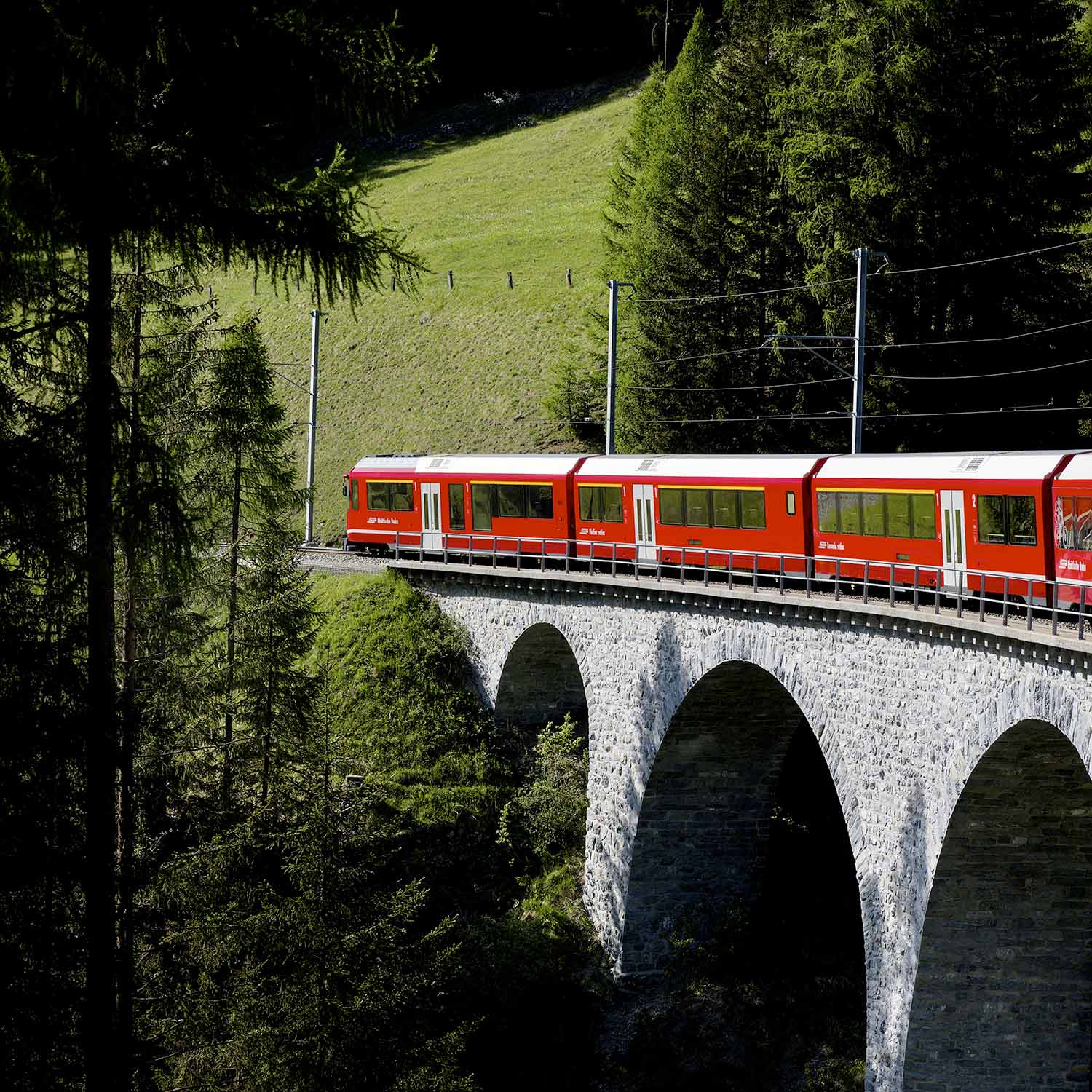
European national rail networks, mass transit and urban networks, metre-gauge networks, and regulatory and supervisory authorities.
Over 350,000 km of railway lines span the European continent – an asset base with a replacement value of approximately €2,000 to €3,500 billion. As the ultimate sustainable transport system, rail faces numerous challenges, including climate change and an infrastructure renewal backlog.
 Key challenges
- Managing risks associated with climate change and the grey debt of infrastructure renewal, and reducing the railway system’s carbon footprint;
- Informing public policy and negotiating financing agreements;
- Optimising asset life cycles and maintenance master plans;
- Prioritising and updating asset strategies based on technical, environmental, performance and risk criteria;
- Rationalising possession and consolidating projects;
- Modernising and automating asset management; strengthening skills and ensuring the long-term durability of team expertise and know-how.
 Our services


- Independent audits of asset structure, condition and performance; second opinion on past technical and financial trajectories (were budget levels appropriate?).
- Development, updating and formatting of optimised network and asset strategies; creation and updating of investment master plans by sub-network across all asset families.
- Asset life-cycle optimisation, balancing CAPEX and OPEX, reducing environmental resource consumption, and developing/optimising maintenance strategies.
- Support for teams regarding asset management, management system audits, awareness-raising and training on asset management and the ISO 55001 standard, guidance through continuous improvement and certification processes.
- Outsourced asset management: we handle simulations and planning documentation; you make the decisions.
- Deployment of the Eqylibr® simulation and decision-support tool, pre-configured based on standardised asset families (standard components) and technical, environmental and financial life-cycle models.
- Digitalisation and automation of asset management processes: geolocated asset register, Business Intelligence (BI) reporting, and projections/scenario modelling for investment needs. These deliverables support both your regulatory reporting (e.g. RTE 29900 in Switzerland) and your negotiations with authorities.


02Energy and fluid networks
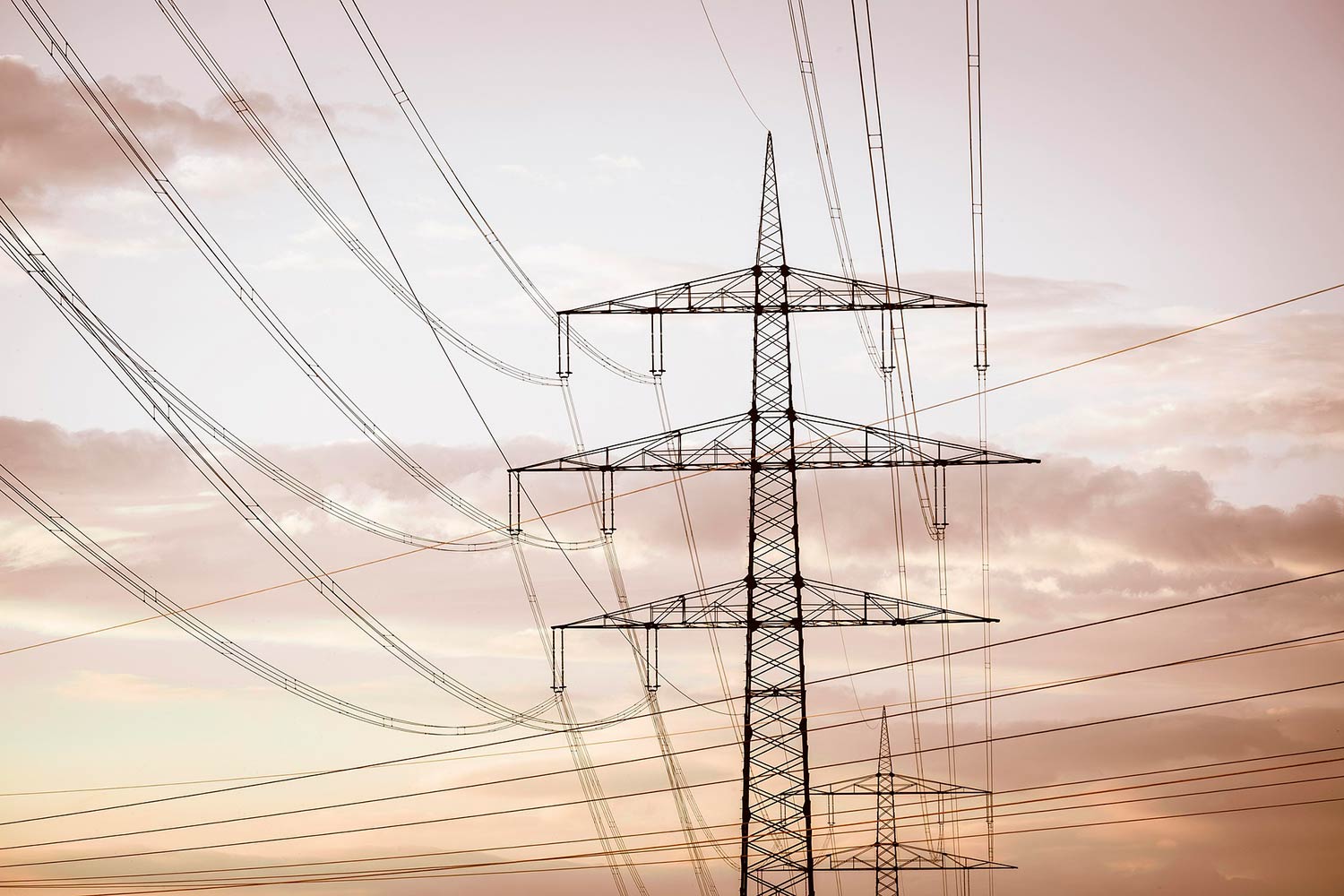
Power generation facilities; electricity, gas, heat and water distribution networks; and hydraulic infrastructure.
Energy and water networks are undergoing rapid transformation. The integration of solar power, the boom in electric vehicle charging and the decarbonisation of end-uses mean that demand is evolving faster than infrastructure can be renewed. Meanwhile, assets are ageing, hydraulic infrastructure requires increasing attention, and investment budgets remain constrained.
Key challenges
- Planning networks to integrate new energy sources and usage patterns (solar power, charging stations, hydroelectric facilities);
- Developing strategies for new networks (such as district heating or cooling) that are sustainable for both operators and customers, and reviewing existing strategies;
- Managing the ageing of distribution and generation assets, informing public policy and negotiating financing contracts.
- Negotiating concession-based service delegation contracts;
- Prioritising projects and allocating resources across asset families and sub-networks based on socio-economic and risk criteria;
- Meeting regulatory requirements for transparency and traceability;
- Modernising and automating asset management; strengthening skills and ensuring the long-term durability of team expertise and know-how.
Our services
- Independent audits, analysis and assessment of the actual condition and performance of assets, including in cases where documentation is incomplete, and a second opinion on past technical and financial trajectories (e.g. were budget levels appropriate?).
- Valuation of the residual value of generation facilities and distribution networks.
- Modelling distribution networks and assessing their strengths and weaknesses against future needs (typically using the NEPLAN tool).
- Development, updating and formatting of optimised network and asset strategies; creation and updating of investment master plans by sub-network across all asset families.
- Modelling, auditing and optimising business models for distribution network operators.
- Providing support regarding concession renewals and new concessions.
- Asset life-cycle optimisation, balancing CAPEX and OPEX, reducing environmental resource consumption, and developing/optimising maintenance strategies.
- Support for teams regarding asset management, management system audits, awareness-raising and training on asset management and the ISO 55001 standard, guidance through continuous improvement and certification processes.
- Outsourced asset management: we handle simulations and planning documentation; you make the decisions.
- Deployment of the Eqylibr® simulation and decision-support tool, pre-configured based on standardised asset families and technical, environmental and financial life-cycle models.
03National and regional road networks
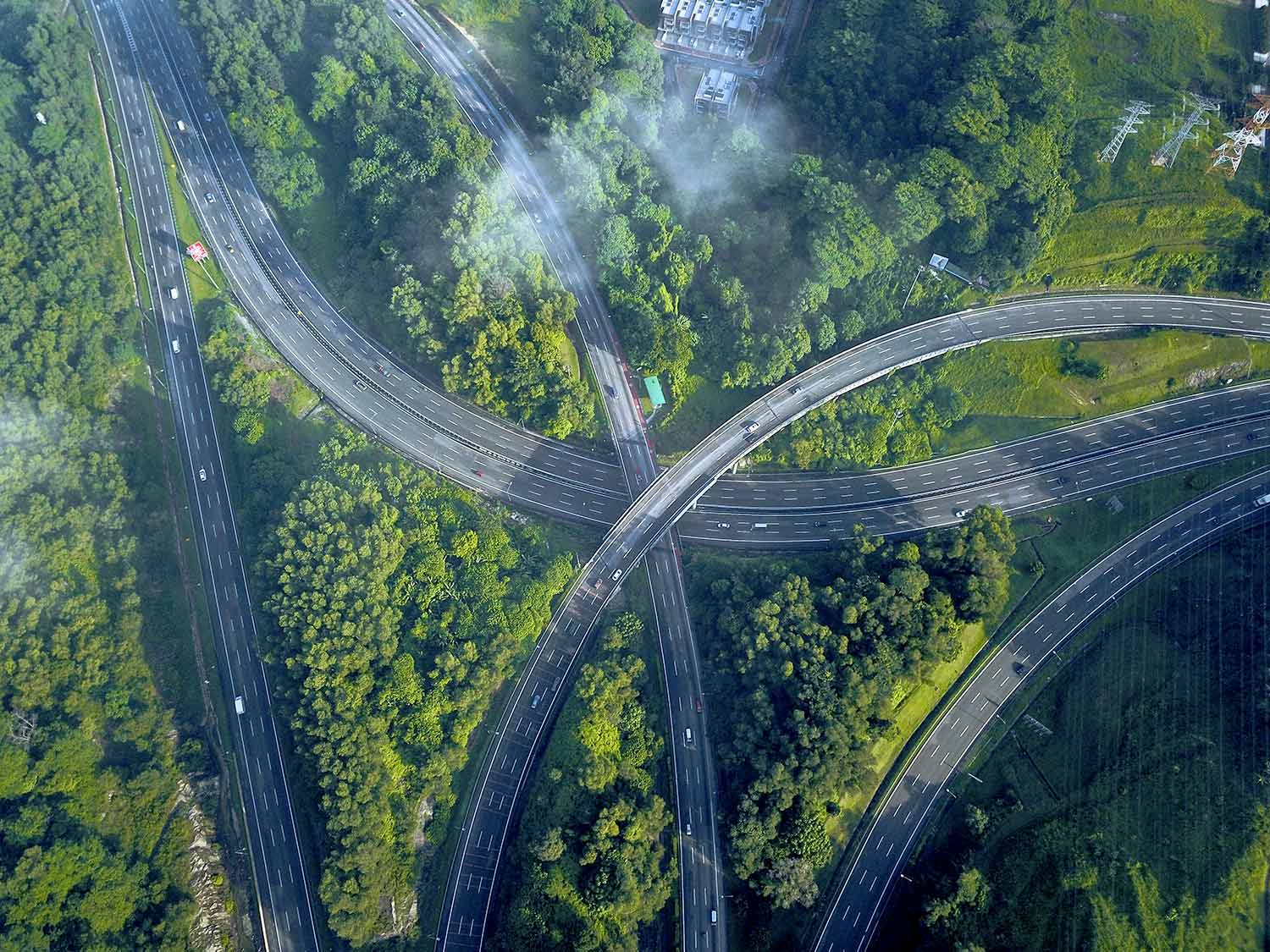
The global road network spans over 65 million kilometres, with the European continent accounting for approximately 6 to 7 million. It is the most extensive and heavily used transport network.
Maintaining such an asset base presents a multifaceted challenge. The extensive network built in the post-war era – during the “Trente Glorieuses” (thirty years of rapid economic growth) – has reached the end of its service life, creating a need for massive reinvestment at a time when public budgets are shrinking. In densely populated areas, the volume of required work clashes with high traffic intensity, making interventions extremely costly for both authorities and road users. In areas with low traffic volumes, the question arises as to the conditions for keeping certain sections in operation.
Key challenges
- Informing public policy and negotiating financing agreements;
- Updating asset strategies based on performance criteria (traffic types and volumes) and resource consumption (environmental, technical, financial, etc.), grounded in the actual condition and performance of the assets;
- Managing risks associated with climate change and the grey debt of infrastructure renewal, and reducing the carbon footprint of road infrastructure;
- Prioritising projects and allocating available resources across asset families and sub-networks based on (socio-economic) value and risk criteria;
- Optimising renewal master plans to balance traffic impacts (smoothing, concurrent works, etc.);
- Modernising and automating asset management; strengthening skills and ensuring the long-term durability of team expertise and know-how.
Our services
- Independent audits of asset structure, condition and performance; second opinion on past technical and financial trajectories (were budget levels appropriate?).
- Development, updating and formatting of optimised network and asset strategies; creation and updating of investment master plans by sub-network across all asset families.
- Asset life-cycle optimisation, balancing CAPEX and OPEX, reducing environmental resource consumption, and developing/optimising maintenance strategies.
- Support for teams regarding asset management, management system audits, awareness-raising and training on asset management and the ISO 55001 standard, guidance through continuous improvement and certification processes.
- Outsourced asset management: we handle simulations and planning documentation; you make the decisions.
- Deployment of the Eqylibr® simulation and decision-support tool, pre-configured based on standardised asset families and technical, environmental and financial life-cycle models.
- Digitalisation and automation of asset management processes: geolocated asset register, Business Intelligence (BI) reporting, and projections/scenario modelling for investment needs. These deliverables support both your regulatory reporting (e.g. RTE 29900 in Switzerland) and your negotiations with authorities.
04Building infrastructure

Commercial and administrative buildings, industrial sites, university and hospital facilities, operations centres and depots, including their building services.
Building infrastructure often represents the second or third largest expense for organisations. Yet, it remains peripheral to core business activities: human resources are limited, and routine maintenance is rarely prioritised.
Key challenges
- Ensuring the safety of people and assets against the risk of failure;
- Navigating an increasingly demanding regulatory landscape: ERP/IGH (public-access buildings/high-rise buildings), ICPE (infrastructure classified for environmental protection) and the Labour Code in France; AEAI (Association of Cantonal Fire Insurance Establishments) and OPAM (Major Accidents Ordinance) regulations and SIA standards in Switzerland;
- Maintaining reliable knowledge of the estate’s condition to improve maintenance planning;
- Extending asset life cycles to limit CAPEX investments and reduce environmental impact;
- Minimising the impact of building failures on the organisation’s core business;
- Adapting the asset base to evolving activities and the energy transition;
- Securing funding and establishing long-term operational contracts;
- Strengthening skills and ensuring the long-term durability of team expertise and know-how.
Our services
What we offer: a structured method to prioritise, plan and substantiate investment needs within the context of budgetary decision-making.
- Audit of available asset data, mapping of the estate’s theoretical baseline, and development of the audit plan.
- Building audits and estate status reports.
- Support in defining a technical-economic asset maintenance strategy aligned with your operational and social objectives, configurable using geographic and climatic data.
- Development of investment trajectories.
- Assessment of the asset renewal backlog and risk-based backlog reduction scenarios.
- Asset life-cycle optimisation – balancing CAPEX and OPEX.
- Assessment of key challenges, guidance on defining the best monitoring indicators, and determination of corresponding benchmarks.
- Identification of optimal timeframes for restructuring and bringing the estate into compliance.
- Support for asset management teams regarding potential ISO 55001 certification and the implementation of a continuous improvement plan.
- Outsourced asset management: conducting simulations and preparing planning documents tailored to your requirements.
- Creation of dashboards for monitoring and managing the estate.
- Deployment of the Eqylibr® simulation and decision-support tool.
- Provision of reference life-cycle models.




A lack of long-term visibility poses a major obstacle for these networks. It complicates the task of determining the right investment schedule, estimating required funding, and integrating usage patterns that are evolving faster than the infrastructure itself.